
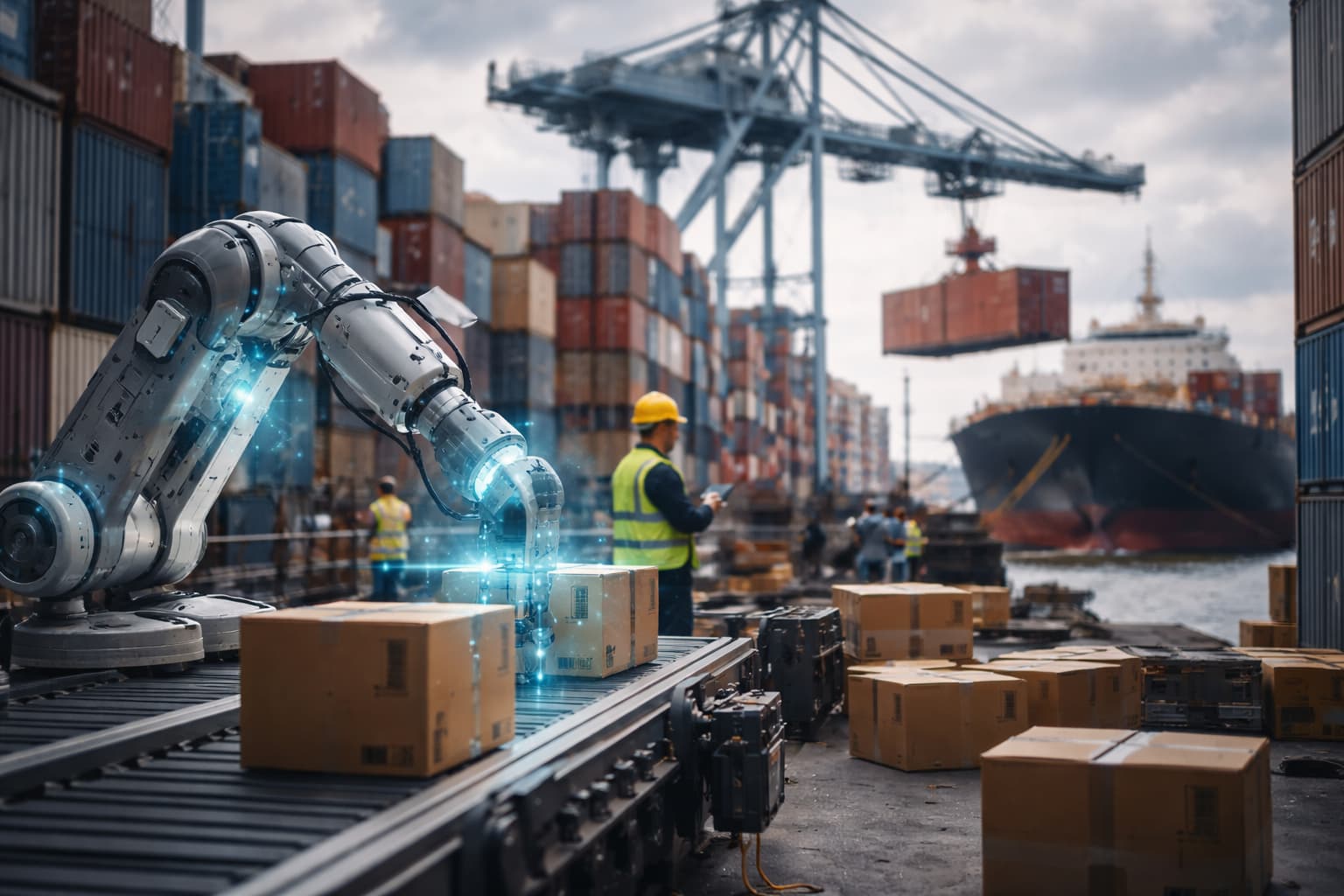
The rapid expansion of artificial intelligence infrastructure is emerging as a major driver of global goods trade, reshaping supply chains and boosting demand for high-value industrial components across continents.
At the center of this transformation is the surge in construction of data centers and AI-ready facilities, led by major technology companies including Nvidia, Microsoft, and Amazon. These firms are investing billions into AI hardware and cloud capacity, creating ripple effects throughout global manufacturing and logistics networks.
The boom is driving increased cross-border shipments of semiconductors, advanced cooling systems, power equipment, and networking hardware. Countries that specialize in these components—such as Taiwan, South Korea, and Germany—are seeing a notable uptick in exports tied directly to AI infrastructure projects.
Trade data indicates that semiconductor exports, in particular, have surged as demand for GPUs and AI accelerators intensifies. Nvidia, a key supplier of AI chips, has become a central figure in this trend, with its products forming the backbone of modern machine learning systems deployed worldwide.
Meanwhile, logistics firms and shipping companies are adapting to handle the increased movement of high-value, sensitive equipment. Air freight demand has risen for smaller but more expensive components, while maritime trade continues to handle bulk shipments of supporting infrastructure such as server racks and electrical systems.
The AI build-out is also influencing trade routes and investment flows. Governments in regions like United States and China are prioritizing domestic semiconductor production and strategic supply chain resilience, leading to new trade policies and industrial incentives.
However, the rapid growth is not without risks. Supply chain bottlenecks, geopolitical tensions, and export controls—especially on advanced chips—could disrupt the flow of goods and slow the pace of expansion.
Still, analysts say the momentum behind AI infrastructure remains strong. As businesses across industries adopt AI technologies, the resulting demand for physical hardware is turning digital innovation into a powerful engine for global trade growth, linking factories, ports, and data centers in an increasingly interconnected economic cycle.