Geopolitical tensions in the Middle East have reverberated far beyond regional borders, influencing commodity prices, financial markets and infrastructure investment sentiment across Europe. As energy prices rise and government bond yields fluctuate, policymakers and investors alike are reassessing the resilience and strategic positioning of European infrastructure sectors.
Oil Prices React to Conflict
Oil markets have remained highly sensitive to recent developments in the Middle East. After renewed military action involving the United States and Israel against Iranian targets, global crude prices surged sharply, reflecting worries over potential supply disruptions. Despite trimming some of their gains later in the session, both Brent and West Texas Intermediate crude benchmarks climbed on increased risk premiums.
For Europe – a region heavily reliant on imported energy – sustained pressure in oil markets can impact inflation, transportation costs and industrial output. Energy infrastructure operators, including pipelines and storage facilities, have seen increased trading volumes as markets price in possible supply volatility.
Bond Markets Reflect Heightened Risk
Simultaneously, European government bond markets have exhibited notable movement as safe-haven demand intensified. Yields on core European sovereign debt such as German Bunds declined modestly in early trading, while peripheral yields showed mixed reactions as investors balanced growth concerns against risk aversion.
Lower yields on sovereign debt often translate into cheaper financing costs for governments and large infrastructure issuers. However, the dynamic becomes complicated when geopolitical risk pushes investors into traditional safe havens like government bonds, potentially crowding out higher-yielding infrastructure credits.
Infrastructure Demand Meets Geopolitical Headwinds
European infrastructure remains a cornerstone of economic strategy, with major investments underway in transportation, digital networks and energy transition projects. Yet rising energy prices and volatility in global markets have raised concerns about project costs and financing:
- Energy Networks: With oil and gas prices elevated, the economics of European energy infrastructure are in flux. Grid operators and utilities face the dual task of ensuring supply stability while advancing clean energy goals. Risk premiums tied to geopolitical instability are increasingly factored into long-term contracts and capital plans.
- Transport and Logistics: Ports and logistics hubs across the continent are sensitive to swings in global trade and commodity flows. Higher fuel costs can squeeze margins and slow freight movement, even as demand for resilient supply chains increases.
- Digital and Connectivity Projects: While less directly tied to energy prices, digital infrastructure investments are influenced by broader market confidence. Fluctuating yields and geopolitical uncertainty may delay risk-bearing investment decisions, especially where public-private partnerships are involved.
Policy Response and Market Outlook
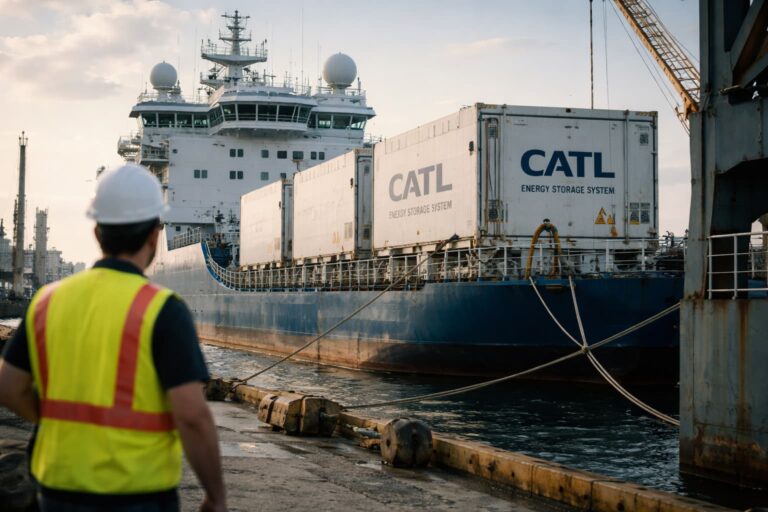
European leaders have underscored the importance of diversified energy sources and resilient infrastructure in the face of external shocks. Strategic investments in renewable energy, hydrogen networks and energy storage are expected to gain renewed emphasis as a hedge against traditional supply risk.
Financial authorities are also keeping a close eye on credit conditions. Measures to support infrastructure financing – including green bonds and targeted fiscal incentives – could help counteract tightening conditions in capital markets.
Analysts note that the interplay between commodity markets, bond yields and infrastructure investment is a key barometer of investor sentiment. Continued geopolitical uncertainty in the Middle East will likely keep markets on edge in the near term, but Europe’s long-term infrastructure strategy remains focused on sustainability, diversification and resilience.