
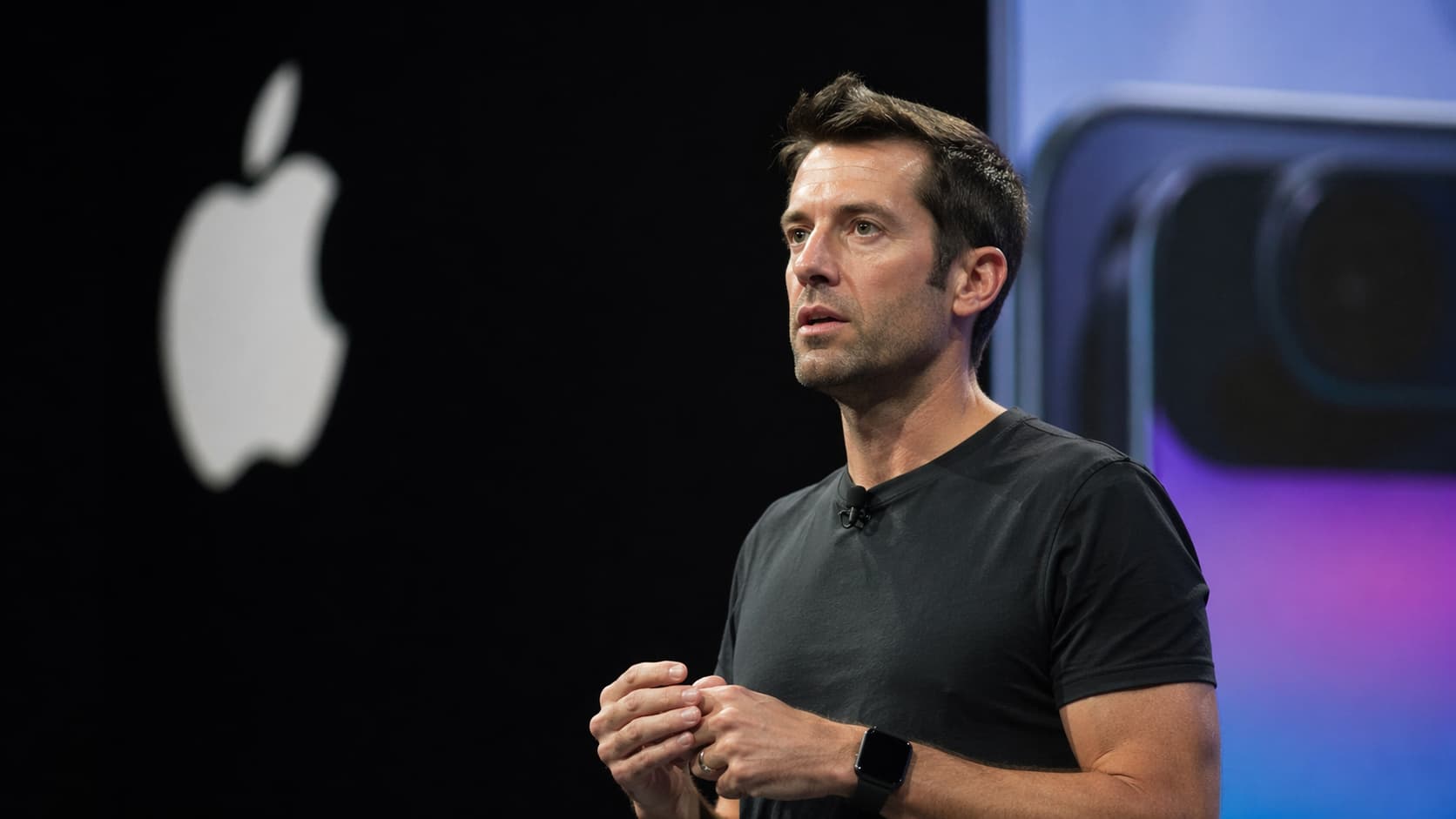
Incoming John Ternus is set to take over as CEO of Apple in September at a pivotal time for the company, with analysts warning that his tenure will be defined by how effectively Apple navigates the artificial intelligence revolution.
Ternus, a longtime hardware engineering chief, will succeed Tim Cook after more than a decade of steady growth under Cook’s leadership. But unlike his predecessor, who expanded Apple’s global scale and services business, Ternus faces mounting pressure to reposition the company in an AI-driven tech landscape.
Industry observers say Apple has lagged rivals such as Google and Microsoft in generative AI, forcing the company to rethink its strategy. Plans already underway include integrating advanced AI models into products like Siri and expanding partnerships to accelerate development.
Rather than launching entirely new AI-first devices, Apple is expected to embed AI features into its existing ecosystem of iPhones, Macs and wearables—an approach analysts describe as evolutionary rather than disruptive.
The challenge for Ternus will be balancing this cautious strategy with the need for innovation. Investors and analysts are closely watching whether Apple can deliver breakthrough AI-powered products while maintaining its hallmark integration of hardware, software and custom silicon.
Beyond AI, Ternus also inherits broader strategic pressures, including slowing iPhone growth, regulatory scrutiny, and the need to diversify Apple’s product pipeline with new categories such as wearables and mixed-reality devices.
Despite these challenges, Apple’s leadership transition is widely seen as a continuation of its long-term strategy rather than a radical shift. Ternus’s deep engineering background and decades inside the company position him to refine Apple’s existing strengths—but his success may ultimately hinge on one question: whether he can turn Apple into a serious force in the AI era.