
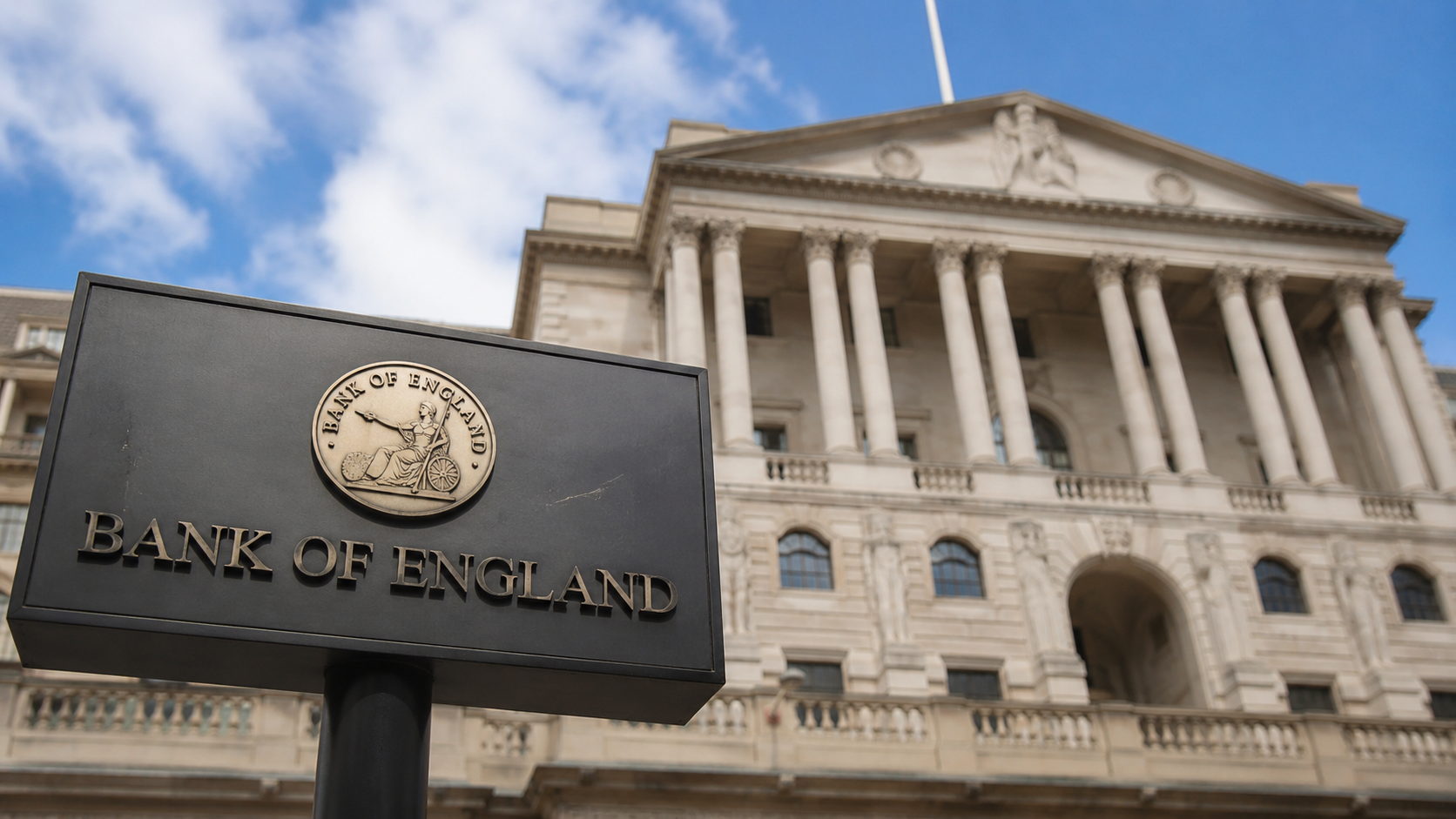
The Bank of England is preparing to soften key elements of its proposed stablecoin regulatory framework after criticism from cryptocurrency firms, fintech groups and lawmakers who argued the original rules were too restrictive and risked undermining the UK’s ambitions as a digital assets hub.
The central bank had initially proposed temporary limits on stablecoin holdings, restricting individuals to £20,000 per coin and businesses to £10 million. The measures were designed to prevent large-scale withdrawals from traditional bank deposits into digital currencies that could threaten financial stability.
However, Bank of England Deputy Governor Sarah Breeden acknowledged that some aspects of the proposals may have been “overly conservative” and said officials are actively exploring alternative ways to manage risks without imposing operationally burdensome restrictions.
The Bank is also reconsidering a controversial requirement that stablecoin issuers hold at least 40% of their reserves as non-interest-bearing deposits at the central bank, with the remainder invested in government bonds and other liquid assets. Industry participants argued the rule would make UK-issued stablecoins less profitable and less competitive than those operating under frameworks in the United States and other jurisdictions.
Stablecoins, digital tokens typically pegged to traditional currencies such as the pound or U.S. dollar, have become a crucial part of the global cryptocurrency ecosystem. Supporters argue they can make payments faster and cheaper, while regulators remain concerned about risks to financial stability if they become widely used.
Crypto industry groups have welcomed the Bank’s willingness to revisit the proposals, arguing that excessive restrictions could discourage innovation and push digital asset businesses to friendlier jurisdictions. The UK government has been seeking to position the country as a leading global center for digital finance, making the regulatory approach a politically significant issue.
The Bank of England is expected to publish updated draft rules in the coming months as it seeks to balance financial stability concerns with the need to support innovation in digital payments and blockchain-based financial services.
The move reflects a broader trend among regulators worldwide, who are increasingly trying to create frameworks that allow stablecoins to grow while minimizing risks to the banking system and wider economy. As competition intensifies between financial centers seeking to attract crypto businesses, the UK’s final approach could play an important role in determining its position in the rapidly evolving digital asset market.
Reference: Financial Times, “Bank of England set to water down stablecoin rules after industry pressure”, May 2026. Financial Times article