
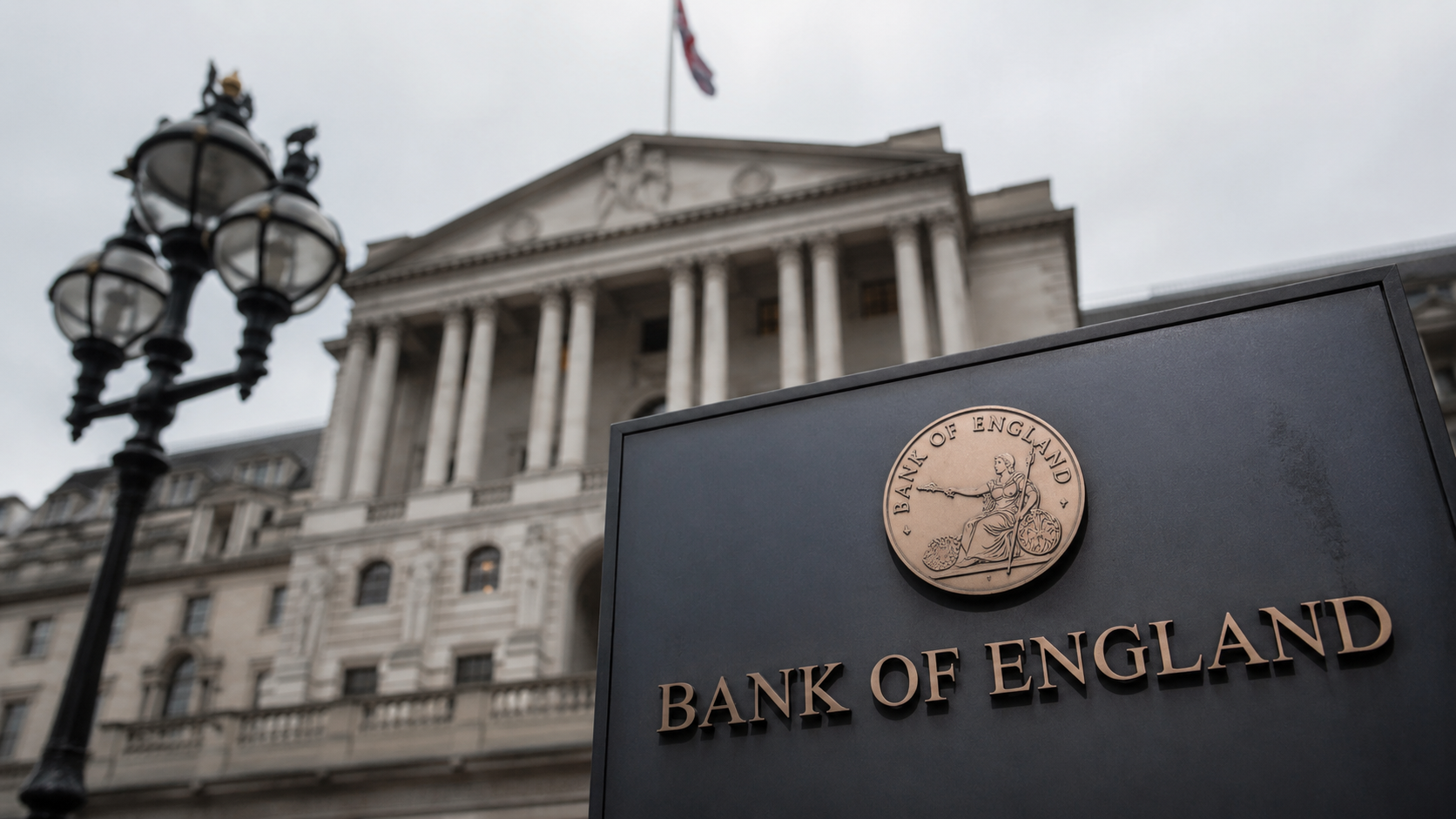
The Bank of England (BoE) is proposing changes to the amount of capital investment banks must hold against their trading activities, marking another step in the global effort to balance financial stability with competitiveness. At ICunity, developments like these highlight how regulation can shape not only the banking sector but also broader financial markets that traders and investors participate in every day.
The proposals are part of ongoing adjustments to international banking standards introduced after the 2008 global financial crisis.
What Is Changing?
The Bank of England’s Prudential Regulation Authority (PRA) has proposed easing certain capital requirements related to banks’ trading businesses.
The changes would:
- Reduce capital requirements for some illiquid and difficult-to-value securities.
- Make it easier for banks to rely on internal risk models.
- Extend implementation timelines for specific rules.
- Align UK regulations more closely with adjustments made in the United States and the European Union.
According to reports, these modifications could reduce capital demands on banks by approximately £700 million.
Why Were These Rules Introduced?
Following the 2008 financial crisis, global regulators developed the Basel III framework to strengthen banks’ resilience.
One key component is the Fundamental Review of the Trading Book (FRTB), which aims to ensure banks hold sufficient capital against risks arising from trading activities.
The objectives included:
- Improving risk measurement.
- Preventing excessive risk-taking.
- Strengthening the financial system.
- Reducing the likelihood of taxpayer-funded bailouts.
Why Is the Bank of England Softening the Rules?
The PRA argues that some aspects of the original framework may be overly burdensome and could place UK-based institutions at a disadvantage compared with international competitors.
Officials believe the proposed adjustments could:
- Improve market liquidity.
- Support economic activity.
- Enhance the competitiveness of London’s financial sector.
- Reduce unnecessary operational complexity.
The regulator stated that maintaining proportionality while preserving strong prudential standards remains a priority.
The Competitiveness Debate
Supporters of the proposal argue that regulations should evolve alongside global developments.
They believe that:
- Excessively strict requirements may discourage trading activity.
- Global banks could shift operations to jurisdictions with more favorable rules.
- Flexible implementation can support growth without significantly increasing risk.
Because many investment banking operations in London belong to international institutions, maintaining competitiveness has become an important consideration.
Concerns About Financial Stability
Critics warn that easing capital standards could weaken safeguards introduced after the financial crisis.
Their concerns include:
- Reduced protection against unexpected losses.
- Greater vulnerability during market stress.
- Potential encouragement of excessive risk-taking.
- The possibility of repeating mistakes from previous crises.
Some economists argue that strong capital buffers remain essential given today’s uncertain economic environment.
What Does Capital Actually Mean?
Bank capital acts as a financial cushion.
It represents funds available to absorb losses if investments perform poorly.
Higher capital requirements generally mean:
- Greater resilience during crises.
- Lower probability of bank failures.
- Increased confidence in the financial system.
Lower requirements can improve profitability and flexibility but may reduce protective buffers.
Impact on Investment Banks
If implemented, the proposals could provide investment banks with greater freedom in managing their trading operations.
Potential benefits include:
- Lower compliance costs.
- Improved efficiency.
- Enhanced capacity for market-making activities.
- More flexibility in allocating resources.
However, banks would still remain subject to broader regulatory oversight and risk management standards.
What It Means for Financial Markets
Changes in banking regulation often influence market participants beyond the banking industry.
Potential effects include:
- Increased market liquidity.
- Changes in trading conditions.
- Shifts in institutional activity.
- Adjustments in risk appetite.
Retail traders may not notice immediate differences, but regulatory developments can shape the broader environment in which markets operate.
The Role of the Fundamental Review of the Trading Book
The FRTB remains one of the most significant post-crisis reforms affecting trading activities.
Its purpose is to improve how banks measure and manage market risk.
The latest proposals do not eliminate these standards but instead adjust their application to address practical concerns raised by the industry.
What Happens Next?
The PRA has opened the proposals for consultation before making final decisions.
The broader Basel III framework remains scheduled for implementation, although certain components may be phased in over longer periods.
Future developments will likely depend on:
- Industry feedback.
- International regulatory trends.
- Economic conditions.
- Ongoing assessments of financial stability risks.
Final Thoughts
At ICunity, we believe this proposal reflects the constant challenge regulators face: encouraging innovation and competitiveness while preserving the resilience of the financial system. The Bank of England’s planned easing of trading capital rules could provide relief for investment banks and strengthen London’s appeal as a financial hub, but it also raises important questions about how much flexibility is appropriate in a post-crisis world.
For traders and investors, understanding these regulatory changes provides valuable insight into the forces shaping global markets. While the debate between growth and stability is unlikely to disappear, one lesson remains clear: strong risk management—whether in banking or individual trading—continues to be essential for long-term success.