
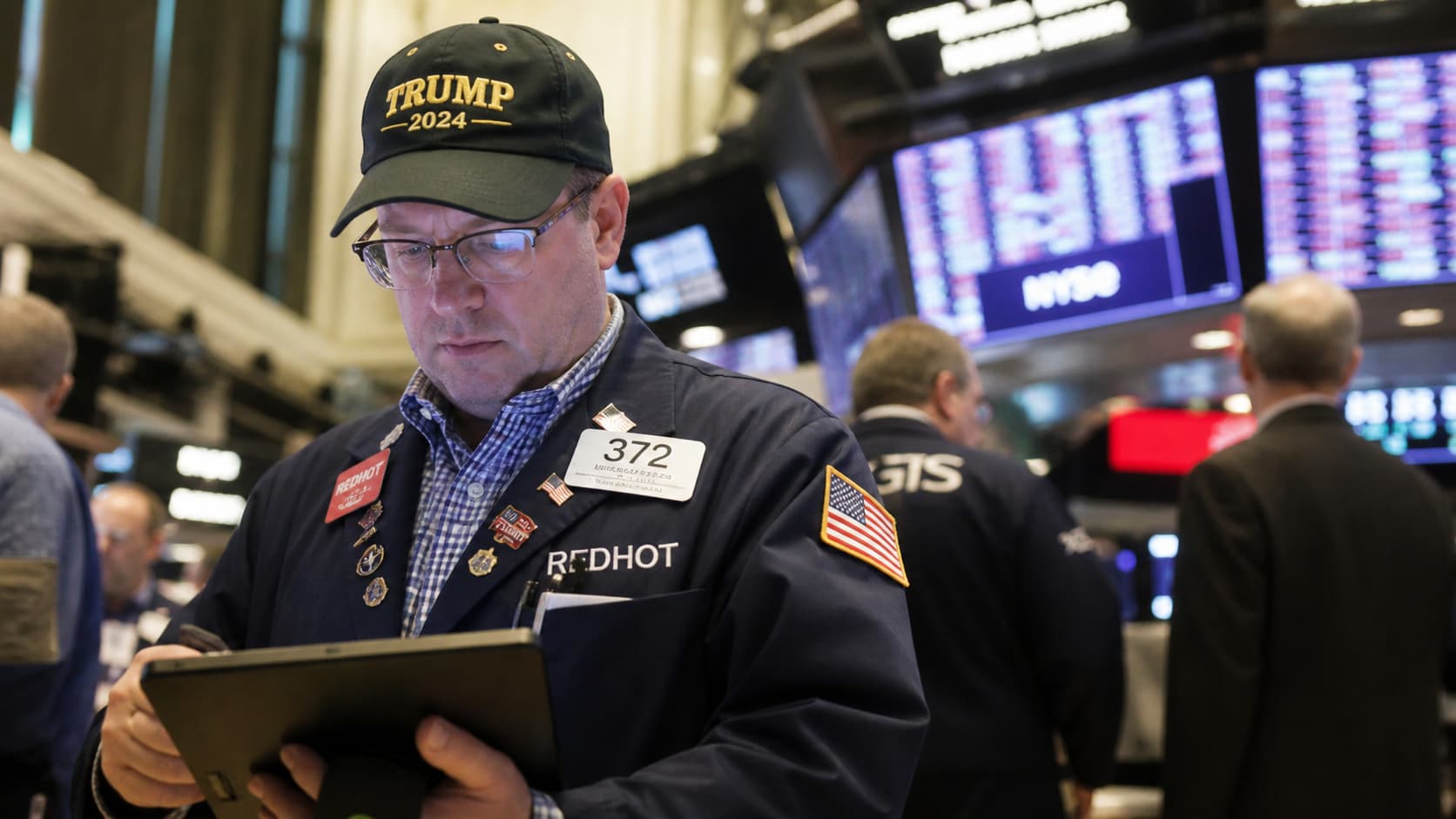
A powerful shift has taken place in the United States stock market: individual investors—once seen as marginal players—are now a decisive force shaping prices, trading patterns and even corporate strategy.
The rise of retail investors has been building for years, but accelerated dramatically during the pandemic era, when lockdowns, stimulus checks and zero-commission trading platforms brought millions of new participants into the market. Today, that “retail army” continues to influence everything from daily trading volumes to high-profile IPO allocations.
One key driver has been technology. Platforms such as Robinhood have lowered barriers to entry, allowing everyday investors to trade stocks, options and even IPO shares with ease. In fact, retail participation in public offerings has surged, with companies increasingly reserving portions of listings for individual investors rather than institutions.
At the same time, the decline of traditional stock-picking funds has shifted influence away from institutional managers. Active funds have struggled to consistently outperform benchmarks, pushing more capital toward passive investing and leaving room for retail traders to have a greater impact on price movements.
Retail investors have also proven capable of moving markets in ways once dominated by hedge funds. Episodes of sharp volatility—often driven by online communities and coordinated buying—have demonstrated their ability to influence individual stocks and even broader sentiment.
However, their influence is not always predictable. Recent market activity shows that individual investors can quickly shift from aggressive buying to cautious selling, particularly around major events like earnings reports or geopolitical tensions.
Even so, their presence is now embedded in the market structure. Retail traders are affecting liquidity, narrowing spreads in some areas while amplifying volatility in others. In certain segments, their growing participation has even begun to challenge traditional institutional trading strategies.
The broader market backdrop has reinforced their role. A surge in AI-driven optimism has pushed major indices higher, attracting further retail inflows and reinforcing a cycle in which individual investors help sustain momentum.
Analysts say the shift is structural rather than temporary. With easier access, greater financial awareness and expanding product offerings, retail investors are likely to remain a dominant force in the years ahead.
What was once considered “dumb money” has evolved into a powerful collective presence—one that Wall Street can no longer ignore, and increasingly must adapt to.