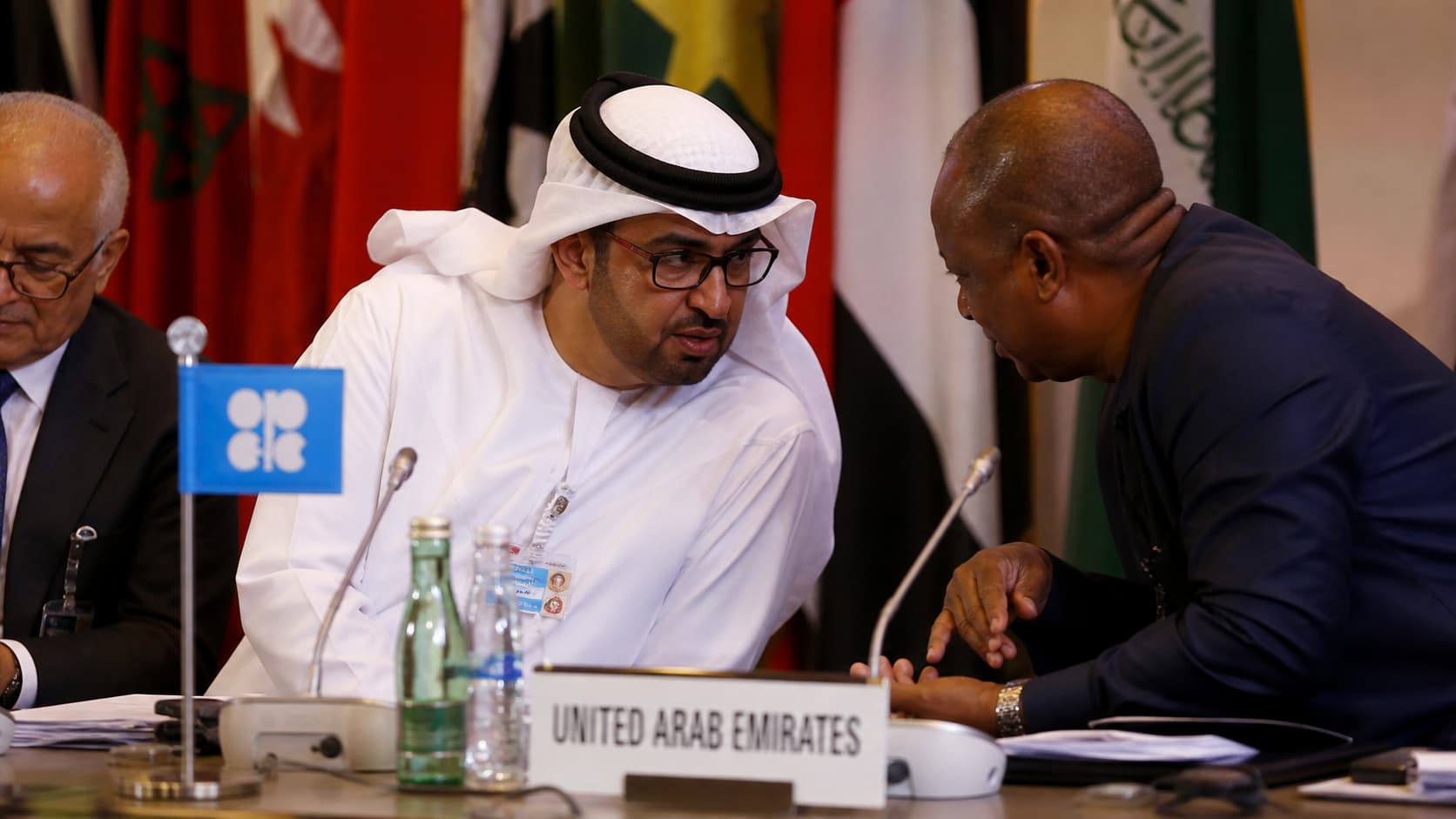
The decision by the United Arab Emirates to leave OPEC after more than five decades was not a sudden move—it was the result of years of economic, political and strategic divergence that finally reached a breaking point.
At its core, the exit reflects a shift in how the UAE sees its future: less as a traditional oil producer bound by cartel rules, and more as an independent economic power with broader global ambitions.
Breaking free from production limits
The most immediate reason was frustration with OPEC’s quota system. The UAE has spent billions expanding its oil capacity—targeting around 5 million barrels per day—but was restricted by OPEC limits that kept output far below that level.
Leaving the group allows Abu Dhabi to pump more oil when it wants, capture higher revenues during strong markets, and fully utilize its investments without waiting for collective approval.
A richer, more diversified economy
Unlike many OPEC members, the UAE is no longer heavily dependent on oil income. Non-oil sectors now make up more than 70% of its economy, including finance, tourism, logistics and technology.
Even more importantly, its massive sovereign wealth funds—worth roughly $1.7 trillion—mean the country’s fortunes are tied to global markets, not just oil prices.
That creates a different incentive: stable global growth often matters more than high oil prices, weakening the logic of staying in a cartel designed to restrict supply.
Geopolitical tensions and Saudi rivalry
Politics also played a major role. Long-standing tensions with Saudi Arabia—OPEC’s dominant member—have deepened in recent years over regional strategy and economic competition.
At the same time, the UAE has moved closer to Western partners and pursued a more independent foreign policy, reducing its willingness to follow a Riyadh-led oil strategy.
Energy crisis and security pressures
The timing of the exit is closely linked to the current Middle East crisis, including disruptions around the Strait of Hormuz and conflict involving Iran.
These pressures exposed divisions داخل OPEC and reinforced the UAE’s desire for flexibility—both to respond to supply shocks and to secure its own energy strategy without collective constraints.
A strategic pivot toward independence
Ultimately, the UAE’s departure signals a broader transformation. It wants to:
- Control its own oil output and pricing strategy
- Maximize returns from expanded production capacity
- Align energy policy with its global investment interests
- Reduce reliance on multilateral structures seen as outdated
Analysts say the move reflects a country that has “outgrown” OPEC’s traditional model—one built for economies far more dependent on crude exports.
What it means for global oil
The exit weakens OPEC’s ability to coordinate supply and could increase long-term market volatility. But more importantly, it marks a shift in the global energy order: major producers are beginning to prioritize national strategy over collective discipline.
For the UAE, leaving OPEC is less about oil itself—and more about redefining its role in a changing global economy.