Samsung workers demand bigger slice of surging AI profits
Thousands of Samsung Electronics workers are demanding a significantly larger share of the company’s soaring profits from the global artificial intelligence boom, escalating labor tensions at one of the world’s most important chipmakers.
Two major Samsung labor unions are calling for wage increases of around 7% and a profit-sharing scheme that would hand employees 15% of divisional operating profits, according to reports. (ft.com)
The dispute comes as Samsung’s semiconductor business experiences record growth fueled by explosive demand for AI memory chips, particularly high-bandwidth memory (HBM) used in AI data centers and accelerators. The company recently surpassed a $1 trillion market valuation as investors bet heavily on continued AI-driven chip demand. (techcrunch.com)
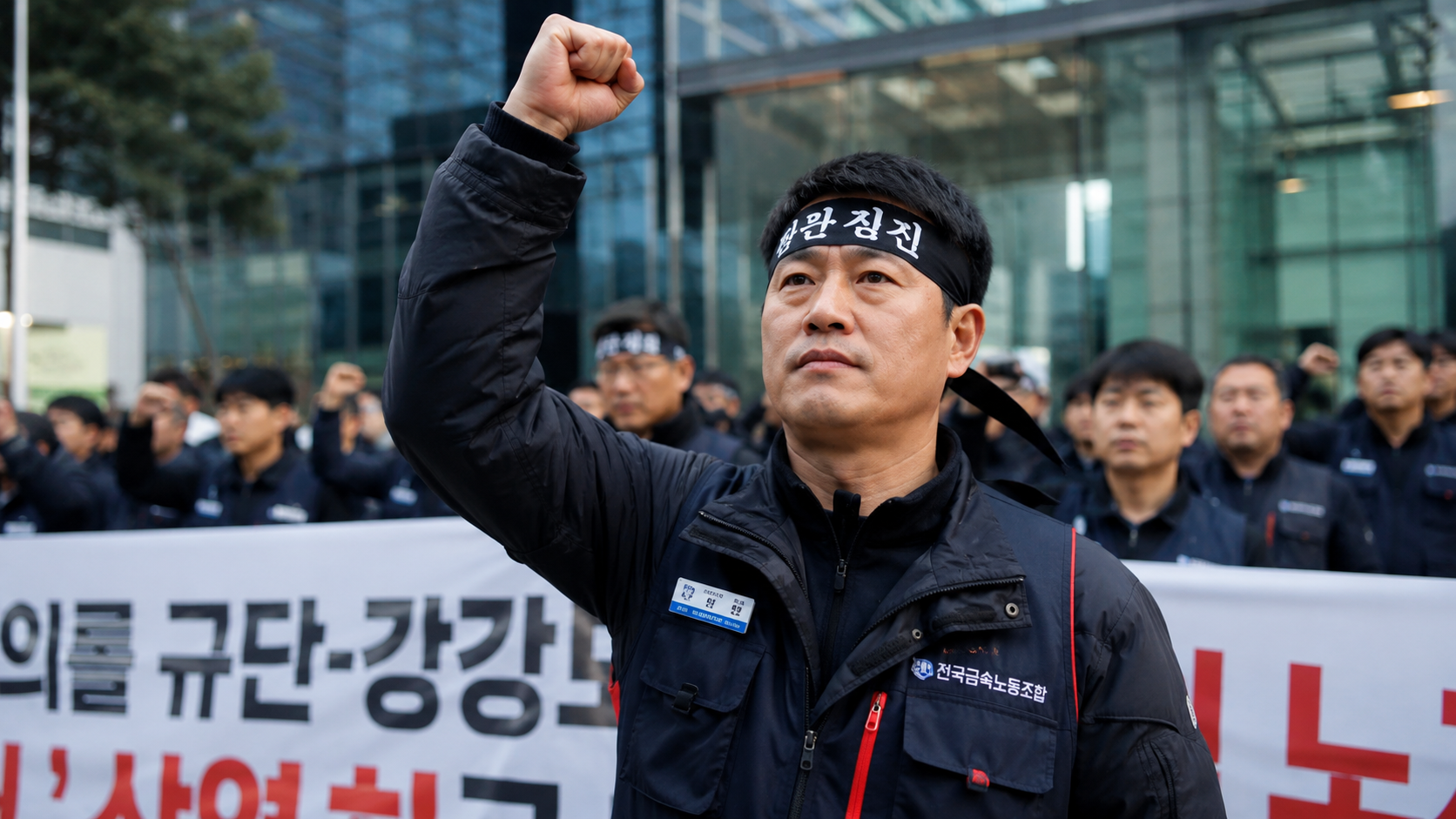
Union leaders argue that workers played a central role in delivering the company’s profits and should benefit more directly from the AI windfall. Tens of thousands of employees recently rallied outside Samsung’s semiconductor complex in Pyeongtaek, with unions warning that strike action remains possible if negotiations fail. (bloomberg.com)
The protests highlight broader tensions emerging across the global technology industry, where AI has generated enormous corporate profits while also increasing pressure on workers and supply chains. Analysts say South Korea’s technology sector is becoming a key battleground over how AI-era wealth is distributed between companies, investors and employees. (digitimes.com)
Samsung has not publicly agreed to the unions’ demands, though the company has previously stated that it remains committed to negotiations with employee representatives.
Any prolonged strike could have wider implications for the semiconductor industry. Samsung is one of the world’s largest producers of memory chips, alongside SK Hynix and Micron, and plays a critical role in supplying components for AI infrastructure globally. (wsj.com)
The standoff also reflects a deeper question facing the AI economy: as companies generate record profits from artificial intelligence, how much of that wealth should flow back to the workers helping build it?