
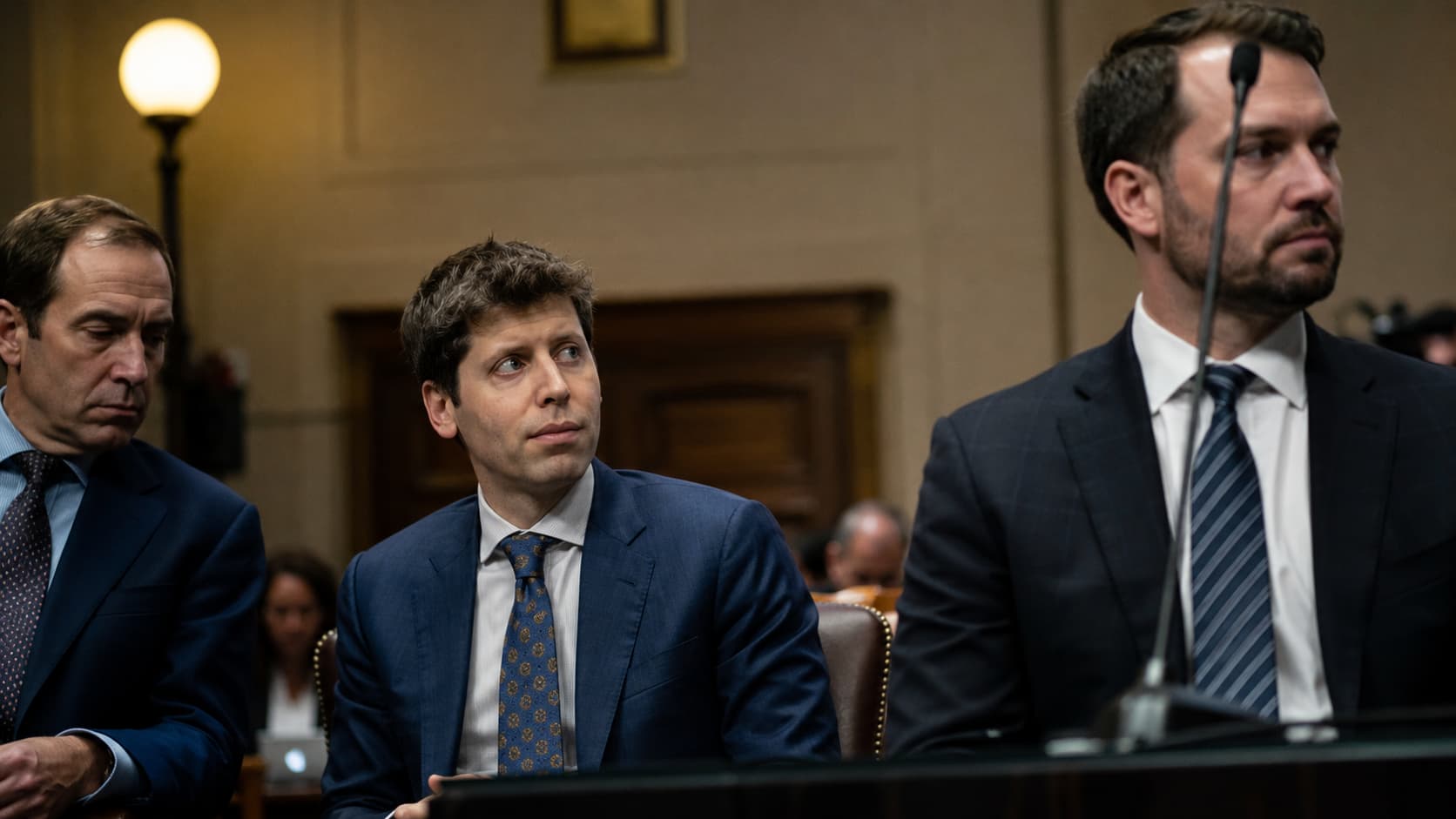
A high-stakes courtroom battle involving Elon Musk and Sam Altman is exposing the internal rivalries, power struggles and financial ambitions that shaped the rise of OpenAI into one of the world’s most valuable private technology companies.
The trial, unfolding in California, centers on Musk’s lawsuit accusing OpenAI of abandoning its original non-profit mission in favor of commercial gain. Musk, who helped found the company in 2015, is seeking to reverse OpenAI’s restructuring into a for-profit entity and remove Altman and president Greg Brockman from leadership roles.
Court testimony and internal messages presented during the proceedings have revealed deep tensions among OpenAI’s founding figures as the company evolved from a research-focused AI lab into an $852 billion powerhouse backed by major investors including Microsoft.
One of the trial’s most closely watched moments involved Greg Brockman defending diary entries from 2017 that appeared to show a growing interest in commercializing OpenAI and building personal wealth. Brockman disclosed that his stake in the company is now worth roughly $30 billion.
The evidence has also complicated Musk’s own claims. Messages introduced in court reportedly showed Musk himself supported converting OpenAI into a for-profit company—provided he maintained control over it or merged it with Tesla.
Former OpenAI executives have added to the drama. Ex-chief technology officer Mira Murati testified that Altman fostered distrust and “chaos” among senior leadership, while former board members described a toxic internal culture surrounding the company’s governance.
The case is drawing extraordinary attention because its outcome could reshape the future of one of the AI industry’s most influential companies. If Musk prevails, OpenAI could be forced to return to a non-profit structure, potentially disrupting plans for a future public offering and threatening existing investment arrangements.
The proceedings are also highlighting broader tensions inside the AI boom itself: the clash between idealistic goals of building safe artificial intelligence for humanity and the enormous financial incentives now attached to the technology.
What began as a mission-driven research lab has become a central battleground in the global AI race—and the trial is revealing just how personal, political and lucrative that transformation has become.